

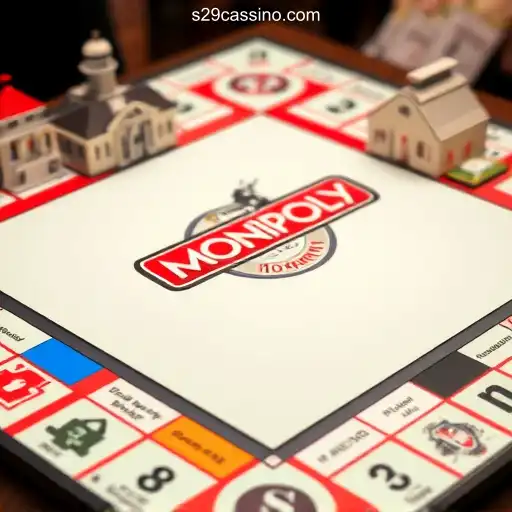
Monopoly: A Game of Strategy and Market Dominance
Monopoly is not merely a board game; it symbolizes a deeper economic principle rooted in strategy, market control, and financial acumen. Since its inception, Monopoly has been one of the most renowned board games globally, captivating players with its thrilling blend of real estate management and negotiation skills. While players aim to drive competitors into bankruptcy and establish control over the market, the game has parallel real-world implications, teaching valuable lessons about wealth accumulation and the impacts of monopolies.
The Genesis of Monopoly
The origins of Monopoly are entrenched in a complex history dating back to the early 20th century. Initially conceived by Lizzie Magie in 1904, the game was intended to illustrate the economic consequences of land monopolism and promote the economic theories of Henry George. Known as "The Landlord's Game," it provided a playful yet profound insight into the impact of rents on the economy and society. More than three decades later, Charles Darrow popularized the version known today, highlighting the competitive and capitalist elements that defined the modern board game.
Understanding Monopoly's Appeal
The enduring appeal of Monopoly can be attributed to its strategic depth and replayability. Each session is a unique experience where players engage in property negotiations, financial management, and strategic planning. The tension of acquiring key properties like Boardwalk and Park Place, combined with the need for calculated risk-taking, makes each game session thrilling.
Monopoly's popularity has transcended generations, becoming a staple in family entertainment. Its ability to teach crucial economic concepts like taxes, rents, and investment returns in a fun and engaging manner has solidified its position as an educational tool as well.
Beyond the Board: Monopoly's Influence
Monopoly's cultural impact extends far beyond its gameplay mechanics. It reflects broader economic concepts, providing insight into the consequences of monopolistic practices in real-world markets. By controlling critical industries and eliminating competition, companies can dominate markets much like players who successfully conquer Monopoly's game board.
This reflection is ever-relevant in today's rapidly evolving digital and economic landscapes, where large corporations often wield significant market power. Observing these dynamics through the lens of Monopoly offers a nuanced understanding of both the benefits and potential pitfalls associated with monopolies.
The Transition to Digital Platforms: S29 Cassino Online
As entertainment mediums evolve, so too does the realm of gaming. Online platforms now offer new environments for leisure and competitiveness, and few exemplify this transition better than S29 Cassino Online: Entretenimento e Grandes Prêmios🏅🔥. This digital venue brings the excitement of traditional casino experiences into the online world, providing an engaging platform for players seeking large rewards and immersive entertainment.
Much like Monopoly, S29 Cassino Online emphasizes strategic thinking and calculated risk. Whether engaging in a high-stakes game of poker or spinning the reels of a slot machine, players must combine intuition with strategy to succeed. The platform's allure lies in its promise of grand prizes and the exhilarating nature of casino games, which continuously attract a global audience.
Parallels between Monopoly and S29 Cassino Online
While Monopoly and S29 Cassino Online cater to different forms of entertainment and skill, both rely heavily on the player's ability to analyze situations, manage resources, and predict outcomes. Monopoly teaches players long-term investment strategies, emphasizing the importance of property acquisitions and cash flow management. Conversely, casino experiences on S29 require quick thinking and adaptability in rapidly changing situations.
Monopoly as a Learning Tool
Despite its complexity, Monopoly serves as an effective learning tool for individuals of all ages. It introduces fundamental financial concepts that provide a foundation for understanding broader economic principles. The game encourages strategic planning and negotiation skills, cultivating financial literacy in a competitive environment.
In educational settings, Monopoly is often used to simulate real-world economic scenarios, offering students an engaging way to explore the impacts of financial decisions and market competition. It demonstrates the balance between risk and reward, illustrating the importance of diversification and strategic investment to secure success.
Conclusion
While Monopoly remains a beloved classic, its impact extends beyond mere entertainment. It provides a microcosmic view of economic and market dynamics, teaching players about the consequences of monopolistic behavior. Simultaneously, platforms like S29 Cassino Online: Entretenimento e Grandes Prêmios🏅🔥 showcase the evolution of gaming into the digital age, bringing both traditional and new forms of entertainment to a broader audience. By understanding these parallels, players can appreciate the strategic depth and lessons provided by both traditional board games and modern online platforms.